Videos
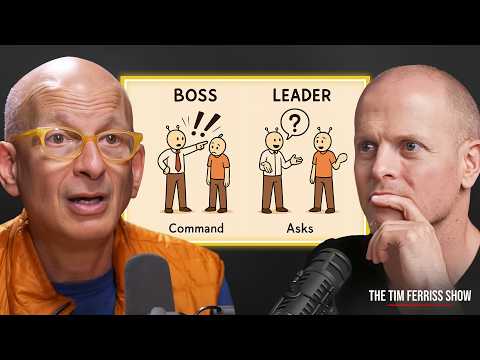
How To Give Feedback That Lands
June 30, 2026 - By Dr. Renee St. Jacques, psychologist, executive coach, and TEDx speaker who helps leaders build trust, strengthen relationships, and create high-performing workplace cultures through emotionally intelligent leadership.Share by Email
COMMENT ON THIS VIDEO BY LEONIE VAN TONDER, ASSOCIATE, LEGITIMATE LEADERSHIP.
Ken Blanchard famously said, “Feedback is the breakfast of champions.” I couldn’t agree more. Actionable, continuous input is the essential fuel that individuals and teams need to improve, grow, and reach peak performance consistently.
But here is what I have learned from working with leaders, knowing this is not enough. How we give feedback matters just as much as whether we give it at all.
- Do not wait for annual performance reviews. Create structured, frequent opportunities for honest exchange.
- When you receive or give input, treat it objectively. Focus on the benefit of the proposed change rather than experiencing criticism as a personal failure.
- Keep your conversations separate, deal with “room for improvement” and “well done” in different discussions. Mixing the two dilutes both.
- Remember that as humans, we tend to remember what suits us, not necessarily what we need to hear. This is why frequency and structure matter.
- Do not put your solution on the table before the other person has had the opportunity to reflect and correct themselves. Give them that chance first.
- Awareness is half the battle. But real change only happens when new behaviour stops being something we have to think about, when it becomes part of who we are, not just learned or expected conduct.
Finally, be courageous. Do not be unkind, but do not soften your message so much that it loses its meaning. The person does not have to like the feedback in the moment. The benefit will show itself later.
Our summary of this video: In How to Give Feedback That Lands, Dr Renee St. Jacques challenges the common perception that feedback is something people naturally resist. Instead, she suggests that feedback becomes difficult when it feels personal, vague, or disconnected from growth. Effective feedback is not about judging someone’s character; it is about helping them understand the impact of their actions and supporting their development.
The video emphasises the importance of focusing on observable behaviours, being specific about the impact those behaviours have, and approaching conversations with a genuine desire to help rather than to criticise. When feedback is delivered with clarity, respect, and positive intent, it is far more likely to be received, understood, and acted upon.
From a Legitimate Leadership perspective, this aligns strongly with the principle of Care & Growth. Legitimate leaders recognise that growth cannot occur without feedback, and that withholding feedback to avoid discomfort may actually limit another person’s development. At the same time, feedback that is delivered without care can damage trust and reduce willingness.
The challenge for leaders is therefore to balance both dimensions: demonstrating genuine care for the individual while having the courage to address behaviours that may be holding them back.
Ultimately, the video reminds us that feedback is not a performance management tool; it is a growth tool. When leaders approach feedback as an investment in another person’s success, they create opportunities for learning, increased capability, and stronger relationships.
Our takeaway: Feedback lands best when people believe it is being given in their interest. The goal is not to be right, but to help others become better. That is the essence of coaching, growing others, and leading legitimately.